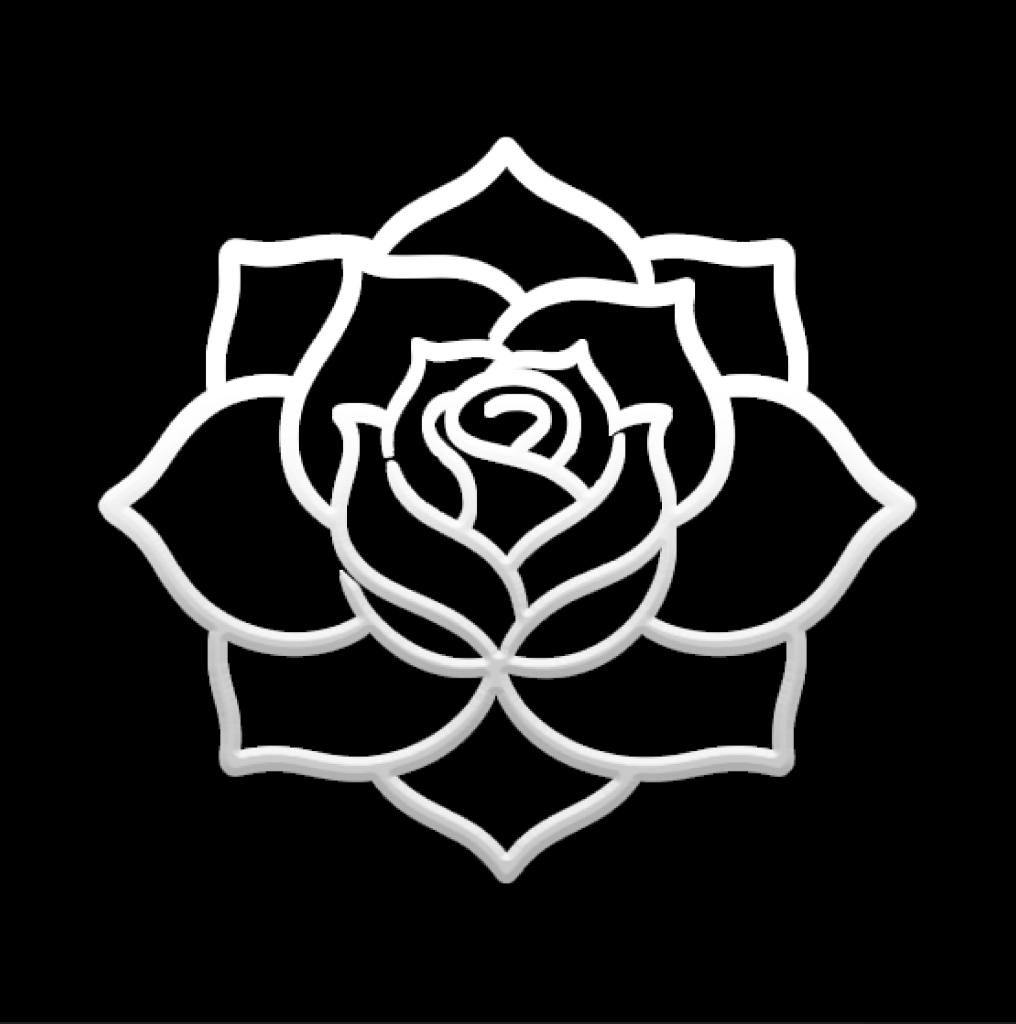
The mandala tattoo is a stunning fusion of spiritual symbolism and geometric artistry that has captivated tattoo enthusiasts worldwide. Derived from the Sanskrit word for "circle," a mandala tattoo design features radially symmetrical patterns that expand outward from a central point, creating mesmerizing compositions of extraordinary intricacy. The deep mandala tattoo meaning — representing the universe, wholeness, and the journey toward inner balance — gives these designs a significance that transcends mere decoration, making each piece both a visual masterpiece and a personal spiritual statement.
History & Origins
The mandala's origins stretch back thousands of years across Hindu and Buddhist traditions, where monks created elaborate sand mandalas as meditation tools and spiritual offerings. In Hinduism, mandalas represent the cosmos and serve as sacred spaces for ritual practice. Tibetan Buddhist monks spend weeks constructing sand mandalas only to ceremonially destroy them, embodying the impermanence of existence. The mandala tattoo tradition in Western tattooing emerged in the 2000s as artists recognized the profound visual and spiritual potential of these ancient patterns for body art.
Key Characteristics
A mandala tattoo design is built upon radial symmetry — patterns that repeat and mirror around a central axis, creating a sense of perfect balance and harmony. Layers of detail expand outward in concentric rings, each adding complexity: petal-like forms, geometric lattices, dotwork textures, and fine ornamental borders. Most mandala work uses black ink exclusively, allowing the precision of the pattern to command attention without distraction. Dotwork and stippling techniques are frequently incorporated to create shading and depth within the mandala's structure. The mandala tattoo meaning is embedded in the design itself — the journey from the outer edge to the center mirrors the spiritual journey inward toward enlightenment and self-knowledge. Some artists blend mandalas with floral, geometric, or ornamental elements for hybrid compositions of breathtaking complexity.
Popular Design Ideas
Traditional circular mandalas featuring layered petal patterns and intricate geometric fills remain the most iconic mandala tattoo design choice, radiating outward in hypnotic symmetry. Mandala sleeve compositions connect multiple mandala forms with ornamental bridges and flowing patterns that wrap the entire arm in sacred geometry. Half-mandala designs place a semicircular mandala along a body edge — the sternum, shoulder, or spine — creating an elegant composition that implies the complete circle. Mandala with lotus combines the mandala's geometric precision with the organic beauty of lotus petals, deepening the spiritual mandala tattoo meaning. Dotwork mandalas build the entire composition from individual dots rather than lines, creating a softer, more ethereal texture.
Best Placements
The circular nature of the mandala tattoo makes it naturally suited to certain body placements. The shoulder cap, elbow, kneecap, and sternum provide central anchor points where the mandala can radiate outward symmetrically. The forearm and thigh offer flat canvases for detailed mandala tattoo design compositions. The upper back and chest accommodate large-scale pieces with room for intricate outer rings. Smaller mandalas work beautifully on the wrist, ankle, or behind the ear.
Tips for Getting a Mandala Tattoo
Choose an artist with a strong portfolio of symmetrical work and proven precision in geometric or ornamental tattooing — the mandala tattoo is unforgiving of inconsistencies. Discuss size carefully: mandala designs with many concentric layers need adequate space to remain legible as the tattoo ages. Consider how the mandala interacts with your body's natural curves and contours. Research the mandala tattoo meaning of specific patterns if spiritual significance matters to you, and communicate your intentions clearly to your artist.
Ready to explore your own mandala tattoo design? The AI Tattoo app generates custom mandala compositions in seconds — experiment with symmetry, complexity levels, and dotwork variations, then preview how the design looks on your body before you commit. Start creating your perfect mandala piece today.