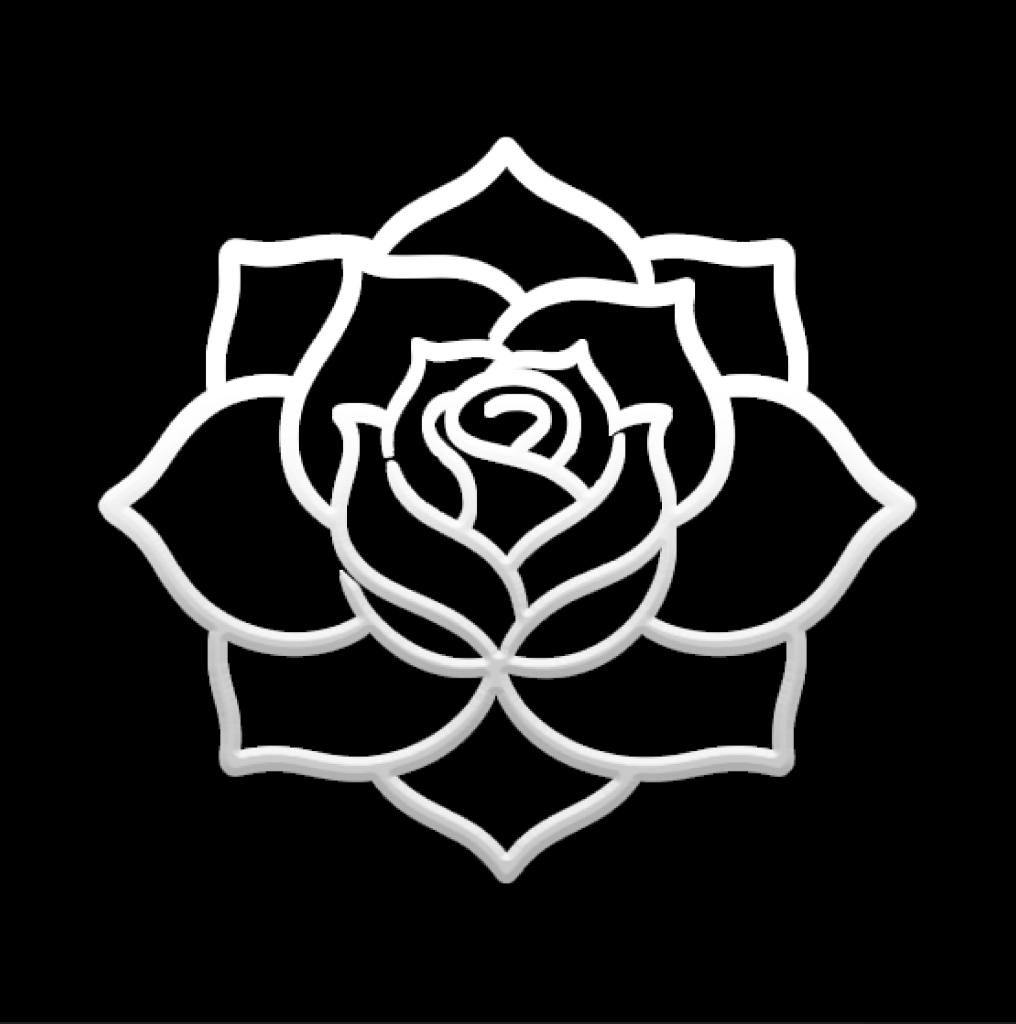
Blackwork tattoos use solid black ink and nothing else — no colour, no grey wash, no gradient. What looks like the simplest possible approach is in practice one of the most demanding, because with a single value available every decision about shape, weight and negative space carries the whole design. Done well, blackwork tattoo pieces read clearly from across a room and hold that clarity for decades.
History & Origins
Solid black tattooing is as old as tattooing itself — the tribal traditions of Polynesia, Borneo and West Africa all worked in pure black long before pigment variety existed. The modern blackwork tattoo movement emerged in the 2000s when artists began combining those ancestral bold-black techniques with contemporary graphic design, illustration and printmaking. Woodcut and engraving aesthetics were a particular influence, bringing hatching and stippling into a style that had historically relied on flat fills.
Key Characteristics
A blackwork tattoo design is defined by high contrast and the deliberate use of untouched skin as a second colour. Depth comes from three techniques rather than from shading: solid fill, linework of varying weight, and dotwork or hatching for texture. Because there is no mid-tone to hide behind, composition and line confidence are exposed — a weak blackwork piece looks weak immediately. The style covers a wide range, from delicate ornamental patterns to full blackout sections where large areas of skin are saturated entirely.
Popular Design Ideas
Geometric and ornamental blackwork uses mandalas, tessellation and symmetrical patterns that follow the body's lines. Illustrative blackwork borrows from woodcut and etching, rendering animals, plants and figures in hatched line. Neo-tribal blackwork revisits ancestral bold-black motifs with contemporary composition. Blackout work saturates whole limbs or panels in solid black, often to cover extensive older tattooing. Negative-space blackwork inverts the usual logic, letting bare skin form the subject inside a filled field.
Best Placements
Blackwork suits large, readable surfaces — the outer arm, shoulder, back, chest and thigh all give the design room to hold its shape. Because the style relies on bold contrast rather than fine detail, it survives placements that punish delicate work, including the forearm and calf. Ornamental blackwork follows curved anatomy particularly well, wrapping the shoulder or hip. Very small blackwork pieces need simplifying: dense patterns shrunk below a few centimetres close up into a solid mass.
Tips for Getting a Blackwork Tattoo
Choose an artist whose healed portfolio shows even, saturated fills — patchy black is the most common failure and it is difficult to correct. Expect large solid areas to need a second pass, and budget healing time accordingly, since heavily saturated skin takes longer to settle. Blackwork ages exceptionally well; solid black holds its edge far better than colour or grey wash, which is why it is the standard choice for cover-ups. Consider future plans before committing to blackout sections — covering or reworking saturated black later is very limited.
Want to see a blackwork tattoo idea before you commit? The AI Tattoo app generates blackwork designs in seconds — explore ornamental patterns, illustrative linework and negative-space compositions, then preview them on your body. Start designing your blackwork piece today.